

Why Choose Sport in GD LEGACY
- ⚽
Full Coverage
Follow a wide variety of sports, including football, basketball, and more.
- 📊
Detailed Statistics
Access comprehensive data to help you make informed decisions.
- 🎁
Special Promotions
Earn exclusive bonuses and participate in end-of-year offers.
Monopoly: Tracing the GD Legacy
- 🏆
Soccer
Watch live matches and enjoy the best betting options.
- 🏀
Basketball
Dive into the on-court action with exclusive stats and analysis.
- 🎾
Tennis
Bet on international tournaments with competitive odds.
Exploring the Thrilling World of RocketStars and the Enigmatic GD LEGACY
Dive into the captivating universe of RocketStars and uncover the mysterious GD LEGACY with a detailed overview of gameplay, riveting rules, and intriguing current events.
- 📖
Study team statistics and performance before betting.
- 🕒
Gamble responsibly and set clear limits.
- 💡
Take advantage of seasonal promotions to maximize your earnings.

Monopoly

The Evolution of Monopoly: Tracing the GD Legacy
The concept of monopoly has been a central concern in economics and business, evoking images of both immense power and potential peril. Whether referring to board games or market structures, monopolies stir a blend of fascination and fear. This exploration delves into the legacy of monopolies with a specific focus on the "GD LEGACY," examining how they have shaped economies and influenced business practices over time.
Monopoly: A Brief Overview
A monopoly exists when a specific person or enterprise is the only supplier of a particular commodity or service. Characterized by the absence of competition, monopolies can lead to higher prices and reduced innovation. Historically, they have been controlled or regulated by governments hoping to stimulate fair market practices. From the Standard Oil era to internet giants today, monopolies remain a hot topic.
The Historical Context of GD Legacy
Within the broad history of monopolies, the term "GD LEGACY" signifies an important framework of understanding. Although not directly tied to a particular company or era, GD LEGACY at its core represents a concept of how monopolistic practices can leave a lasting impact on industries, societies, and economies. This legacy is not strictly negative or positive but instead emphasizes the mark left by monopolistic control.
The Rise of Industrial Giants
The industrial revolution bred economic giants whose influence was unparalleled. Companies that dominated their sectors carved out massive profit margins, often at the expense of competition. These included big names like Carnegie Steel and Standard Oil, which monopolized the steel and oil markets, respectively. The GD LEGACY model would view these entities not only as powerful monopolies but as trendsetters, whose practices would lay the groundwork for the next century of economic policy and regulation.
Antitrust Movements and Regulation
The growing concern over these mammoth corporations ultimately led to the establishment of antitrust laws aimed at curbing excessive market control. The Sherman Antitrust Act of 1890 in the United States was a direct response to the threat monopolies posed to fair competition. The primary aim was to break up companies that held too much power and to inhibit future monopolistic practices. Under GD LEGACY, these regulatory steps are seen as necessary checks on monopolistic ambition.
Modern-day Monopolies and the Digital Age
With new technological advancements, the monopoly landscape has shifted from traditional industries to the digital marketplace. Companies like Alphabet (Google) and Facebook dominate through sheer market share and data control. The digital age offers new tools and platforms for creating monopolies, often moving quicker than regulation can manage.
The Impacts of Monopolies: A Dual Edged Sword
Monopolies, like those exemplified by the GD LEGACY, hold a dual-edged sword in their impacts on society and economy. While providing efficiencies and innovation through large-scale operations, they can also stifle market diversity and innovation due to lack of competition.
Positive Impacts
Monopolies can drive economies of scale, leading to lower costs and potentially lower prices for consumers. The success and resources available to monopolies allow for large investments in research and development, pushing technological and product innovation.
Negative Consequences
On the downside, monopolies can create barriers to entry for new firms, limiting industry diversity. Consumers may also face higher prices and have fewer choices available. The overall market dynamism suffers, as the driving force of competitive pressure is diminished.
Regulation and Balance
Finding the right balance between allowing market dominance and ensuring fair competition is crucial. GD LEGACY, in its essence, underscores the importance of regulation that promotes innovation while safeguarding against the stifling effects of monopolistic power.
Reflections on GD LEGACY
As we consider the implications of monopoly through the GD LEGACY lens, we see it as a constant interplay between power, innovation, and regulation. The legacy encourages a nuanced view of monopolies, not as inherently evil entities but as complex forces that require careful management. Understanding this legacy can inform modern policymaking and business strategies as global markets continue to evolve.
Media Reports
-
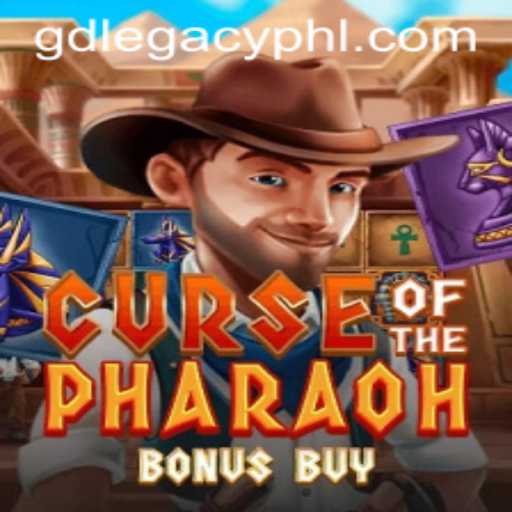
Dive into the mysterious world of Curse of the Pharaoh Bonus Buy, a captivating game that intertwines ancient Egyptian themes with thrilling gameplay elements. Connect your gaming experience with the excitement of GD LEGACY and discover the intricate rules and engaging features that await.
-
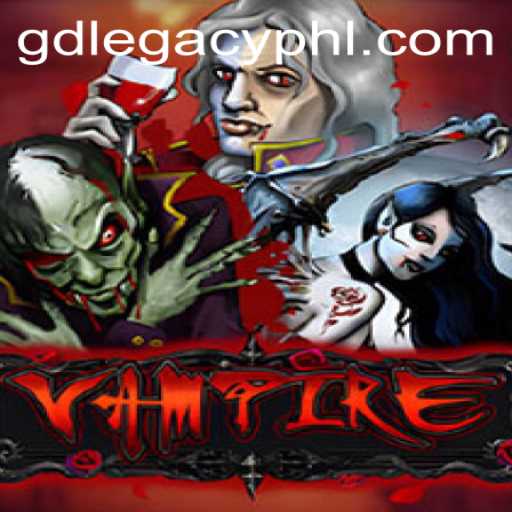
Explore the captivating world of 'Vampire: GD LEGACY,' a game where darkness meets strategic mastery, complete with detailed game mechanics and immersive storytelling.
-

Dive into the captivating universe of RocketStars and uncover the mysterious GD LEGACY with a detailed overview of gameplay, riveting rules, and intriguing current events.
-

Explore the fascinating world of JollyTreasures intertwined with the dynamic narrative of GD LEGACY, offering players a captivating gaming experience.
-

Explore the captivating world of DetectiveDee, a game that combines detective skills, puzzle-solving, and strategically crafted gameplay encapsulating the essence of GD LEGACY.
-

Dive into the thrilling adventure of ChristmasCrash and explore how GD LEGACY is reshaping gaming experiences.
-

Explore the captivating world of JellyBoom, a unique twist in gaming entertainment, starring the enigmatic GD LEGACY.
-
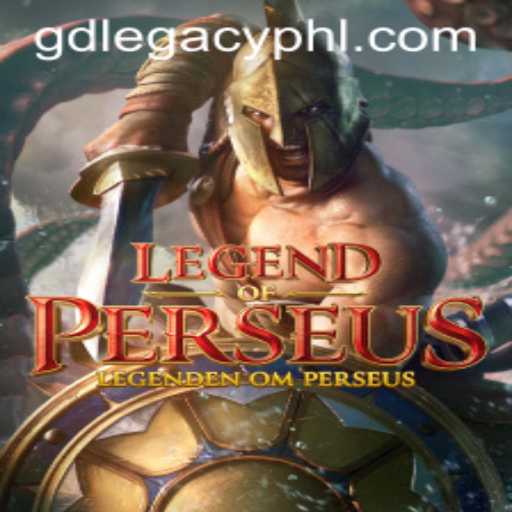
Discover the enthralling universe of Legend of Perseus, a captivating game that blends mythology with modern gameplay. Explore its introductory features, immersive gameplay rules, and its connection with the GD LEGACY keyword.


